Seattle Times and Newsday Sue OpenAI and Microsoft
The Seattle Times and Newsday filed a copyright lawsuit against OpenAI and Microsoft on 5 September 2026, arguing generative AI is “a snake eating its own tail” that could leave
PromptCrates Editorial
Staff Writer

The Seattle Times and Newsday filed a copyright lawsuit against OpenAI and Microsoft on 5 September 2026, arguing generative AI is “a snake eating its own tail” that could leave journalism “broken beyond repair.” The case stands out because Microsoft and OpenAI previously funded some Seattle Times journalism projects and fellowships, even as the publishers now accuse ChatGPT and Copilot of devouring their reporting.
Why this lawsuit lands differently
Newsrooms have sued AI companies before. The New York Times opened a major front in 2023 against OpenAI and Microsoft, and other publishers followed as that litigation continued. Seattle Times and Newsday reuse the core theory: large language models allegedly consume human-authored articles, then return copies or derivative imitations that compete with the originals. What changes the optics is the prior partnership history. Funding journalism projects while allegedly training on the same newsroom’s archives looks, to plaintiffs, like commercial contradiction rather than simple outsider scraping.
A Microsoft spokesperson told GeekWire the company was “surprised by the lawsuit” yet remains “always happy to sit down and explore solutions.” That tone — surprise plus openness to talks — suggests Microsoft wants a licensing or settlement path more than a scorched-earth defense in public comments. OpenAI faces the same dual pressure: product teams shipping assistants that summarize the day’s news, and legal teams defending training-data practices that publishers call industrial-scale freeloading.
The complaint’s rhetoric is deliberately existential. Calling AI a snake eating its own tail frames the dispute as industry survival, not a narrow royalty quarrel. If audiences accept chatbot summaries in place of subscriptions, the publishers argue, the economic loop that funds beat reporting collapses. That argument echoes broader policy fights over whether training on copyrighted news is fair use, licensed use, or infringement — terrain already contested in Creative Commons AI license guidance debates about how creators signal permitted reuse.
Training data meets funded newsrooms
Partnerships between platforms and newspapers often look mutually useful until incentives diverge. Microsoft and OpenAI gain brand goodwill and high-quality local reporting when they sponsor fellowships. Newsrooms gain cash, tools, and distribution. The Seattle Times suit alleges those benefits never authorized wholesale ingestion of archives into foundation models that later compete for reader attention. In court, the companies will likely stress transformative use, licensing where it exists, and the difficulty of proving any single article’s contribution to model weights.
Plaintiffs, meanwhile, will emphasize commercial substitution. ChatGPT and Copilot are marketed as content producers, the complaint says, yet they remain “rapacious consumers” of journalism. That framing aims to persuade judges that generative answers are not abstract research tools but market substitutes for reported stories. Similar substitution theories appear across publisher dockets, though outcomes still vary by jurisdiction and by how specifically complaints map outputs to inputs.
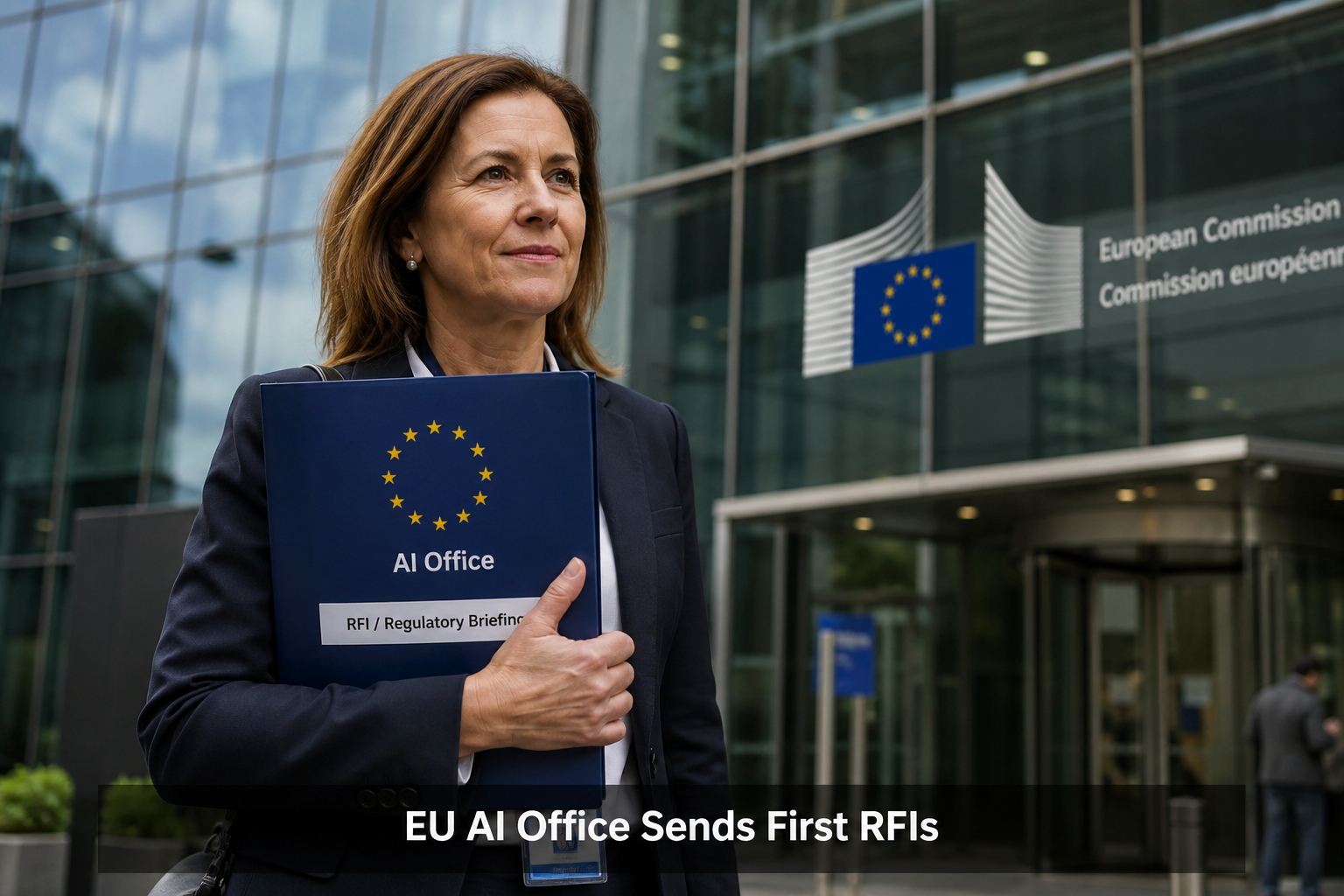
The case also lands amid a denser regulatory backdrop than 2023. European authorities continue probing frontier labs, including EU AI Office RFIs that ask how models are trained, evaluated, and governed. Copyright suits and regulatory questionnaires are not the same instrument, but together they raise the cost of opacity. Publishers that once negotiated quietly now file, and regulators that once waited for voluntary codes now send formal information requests.
What Microsoft’s surprise signal may mean
Microsoft’s public surprise matters as a negotiation cue. Companies that expect a lawsuit usually prepare coordinated statements. Surprise language can mean the Times and Newsday skipped a final pre-filing talk, or that internal teams misread the relationship after fellowship funding. Either way, “happy to sit down” keeps a settlement lane open. Licensing frameworks, delayed training windows, revenue shares, or retrieval partnerships that cite and pay newsrooms are all familiar deal structures floating around similar disputes.
OpenAI’s product roadmap complicates timing. Assistants that browse live web content, summarize local politics, or answer “what happened today” queries sit closest to newsroom value. If courts force clearer provenance or paid corpora, product quality and cost models shift. If courts bless broad training without licenses, publishers may accelerate technical blocks, paywalls, and collective bargaining. Either outcome reshapes how AI products cite — or fail to cite — local journalism.
For readers, the practical question is whether local accountability reporting survives the next product cycle. Seattle and Long Island audiences still need city-hall coverage that chatbots cannot invent from vibes. Suits like this one try to force AI companies to fund that work as a training and product cost, not treat it as free oxygen. Whether judges agree will set precedents that smaller newsrooms cannot litigate alone.
Industry pattern after the Times cases
The Seattle Times–Newsday filing continues a pattern: brand-name publishers sue, settlements or rulings trickle out, and mid-tier papers watch for templates. TechCrunch noted the irony of Microsoft and OpenAI funding Times projects while facing Times litigation — a narrative that may influence jury pools even if it is legally secondary. Communications teams on both sides will fight that story as hard as the statutory claims.
AI companies argue that choking training data harms scientific and consumer progress, and that licensed deals already exist with selected partners. Publishers counter that selective deals prove the market value of journalism and that unlicensed training undercuts those who refuse lowball offers. Policy advocates watching adjacent fights — from deepfake media ethics in schools to model evaluation transparency — see copyright as one pillar of a broader trust stack, not a standalone quarrel.
Until courts draw brighter lines, expect more dual-track behavior: AI labs announce news partnerships with one hand and defend training practices with the other, while publishers celebrate fellowship checks and file complaints when chatbot summaries cannibalize homepage traffic. The Seattle Times and Newsday complaint is the latest proof that those tracks can collide in the same docket.