
MUHRF4PI
Data AnalysisFree
Public Data Ethics Card
Plan beginner ethical public-data collection: ToS check, rate limits, and citation — research literacy, not unauthorized scraping, credential theft, or bypassing access controls.
AI Skill
Open Skill 
Plan a beginner spreadsheet: tabs, columns, and validation — data literacy for cleaner sheets, not financial advice or fragile mega-formulas.
Free account required to copy this prompt
Sign up in seconds — no credit card needed.
Plan beginner ethical public-data collection: ToS check, rate limits, and citation — research literacy, not unauthorized scraping, credential theft, or bypassing access controls.
Plan a beginner PDF summary: skim map, key claims, and open questions — reading literacy for long PDFs, not copyright violation or exam cheating.
Plan beginner user interviews: goals, questions, and consent notes — research literacy, not clinical or legal counseling.
Find beginner-safe research sources: where to look, what to capture, and how to note confidence — research literacy, not investigative hacking.
Design a five-question feedback card for a small project, class, or side hustle — beginner research literacy.
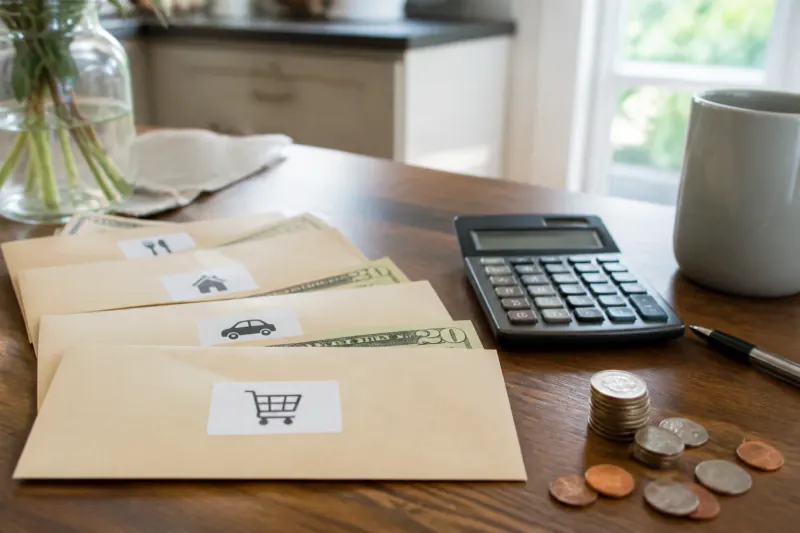
Use when asked to make a budget, plan monthly spending, allocate income, or get finances under control. Produces a categorized budget (a 50/30/20-style all
Set up and maintain basic bookkeeping for a solopreneur business. Use when tracking income and expenses, preparing for taxes, managing invoices and receipt
Use when a beginner needs a practical user-interview guide for 3–5 chats — not academic IRB research.
Use to turn research dumps into a decision brief: fact/claim tagging, bottom line, options table, and source appendix.
Showing 9 of 18
Scroll for more