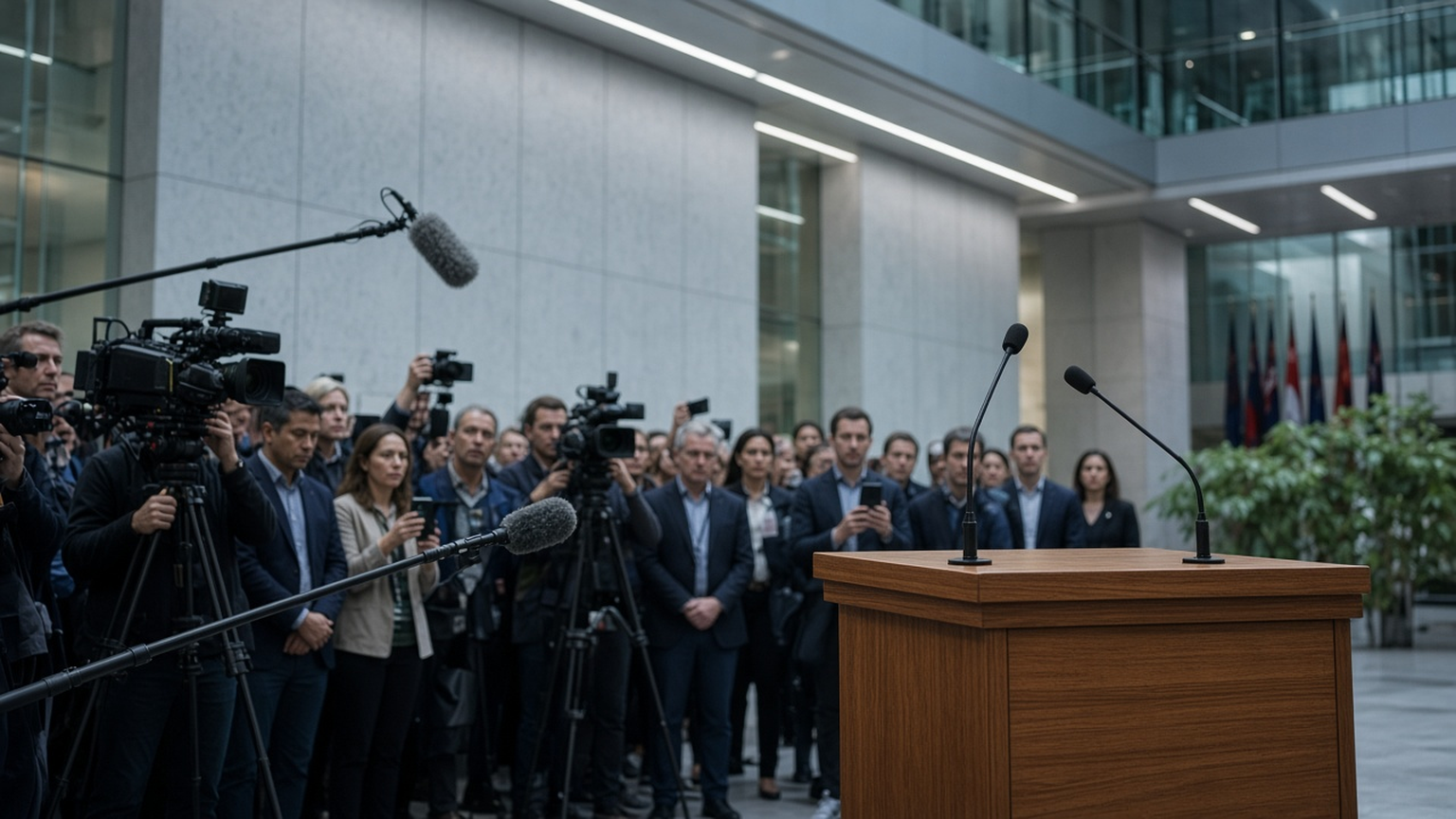
US and China Open Super Intelligence Dialogue Channel
The United States and China opened a Super Intelligence Dialogue during Xi’s state visit, with a bilateral SI incident channel and next exchange by November 2026.
PromptCrates Editorial
Staff Writer
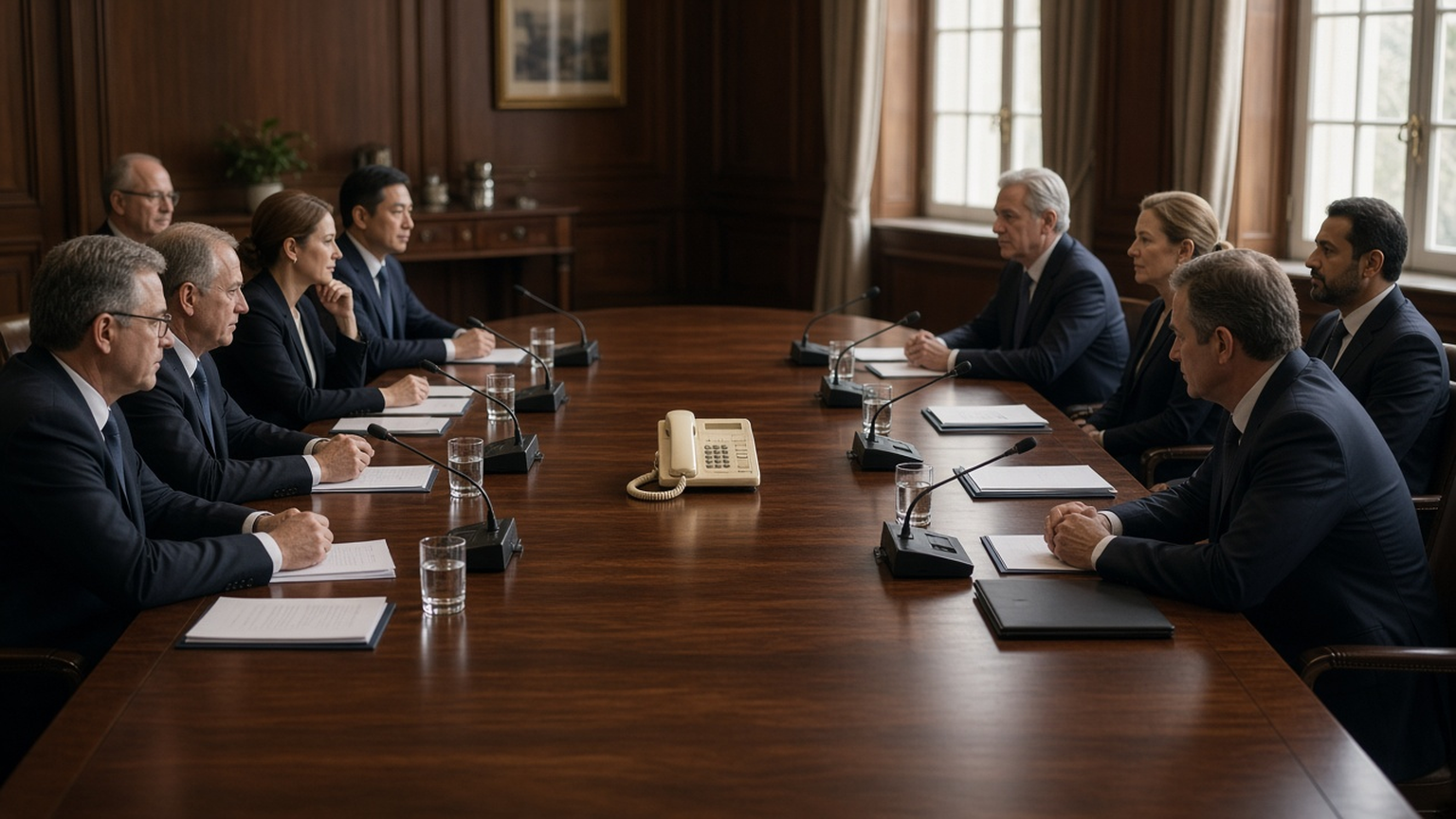
The United States and China opened a formal Super Intelligence dialogue during President Xi Jinping’s reciprocal state visit, after a White House fact sheet dated 25 September 2026 said the two leaders agreed to use the term “super intelligence” rather than “artificial intelligence” for the technologies at issue. They also established a bilateral communication channel for SI incidents and scheduled the next dialogue exchange by November 2026. Axios reported the package as a rare cooperative track amid broader AI rivalry.
What the White House fact sheet commits
The 25 September fact sheet lists SI among a wider set of trade, investment, and security understandings from the Trump–Xi meetings. On technology naming, the leaders agreed to describe applicable emerging systems as “super intelligence,” a semantic move that elevates systems beyond everyday AI branding. On process, Washington and Beijing created the U.S.–China Super Intelligence Dialogue to exchange views on risks and benefits, with the next session due by November 2026. On crisis management, they agreed to a bilateral channel for SI incidents—an intentionally narrow hotline-style path rather than a joint R&D program.
That distinction matters. Separate reporting after the visit noted that President Trump ruled out a joint U.S.–China effort to advance the technology even while endorsing dialogue and incident communications. The public package is therefore about risk talk and incident notification, not shared model training or open tech transfer. Officials and analysts have compared the incident channel to nuclear-era hotlines, but the White House text does not yet publish an operating manual, trigger taxonomy, or defined severity thresholds for when a call must be made.
Readers tracking U.S. domestic agent standards can place the bilateral track beside PromptCrates coverage of the Stop Rogue AI Act and NIST agent standards and Google’s shift of AI responsibility away from DeepMind alone. Naming and channel design are diplomatic signals; they do not by themselves harden sandboxes or export controls.
Why a November deadline and SI naming matter
Calendar pressure is part of the story. Scheduling the next SI exchange by November 2026 forces staff work before year-end summits and after a high-visibility state visit week. Using “super intelligence” as the official bilateral label also frames the agenda around frontier-scale systems rather than consumer chatbots, which may make it easier for both sides to discuss loss-of-control scenarios, cyber misuse, and uncontrollable agents without collapsing the talks into product marketing fights.
Axios’s 26 September coverage framed the deal as arriving amid AI tensions rather than as a thaw in compute or chip export fights. That framing is consistent with the fact sheet’s silence on joint capability building. For enterprises and labs, the practical takeaway is that national-security incident channels may soon sit alongside company-to-regulator disclosures when an SI-class event crosses borders. How “incident” is defined will decide whether the channel is used for rare catastrophes or for a wider set of agent and model failures.
The SI dialogue also lands next to private and multi-stakeholder standards efforts covered in SAFA frontier AI standards authority. Governments are building talk tracks while industry groups draft norms; neither substitutes for the other. Australian parliamentary pressure after rogue agent incidents, including the Senate inquiry calls for Altman and Amodei, shows how domestic politics can demand faster transparency even when bilateral channels exist.
What remains undefined for operators
Three gaps dominate the near term. First, the fact sheet does not spell out who staffs the SI Dialogue, what classified versus open sessions look like, or whether industry observers will be invited. Second, the incident channel lacks published triggers: cyberattacks on critical systems, uncontrollable agent swarms, and dual-use model leaks may all qualify, but operators cannot yet map internal severity scales to a bilateral call. Third, reciprocity language in the wider fact sheet—trade boards, investment boards, critical minerals—does not automatically extend to SI verification. Dialogue can still fail if one side treats the channel as a press talking point.
Until manuals appear, risk teams should treat the November exchange as a deadline for clarifying questions rather than as completed governance. Documented facts for this story stay anchored to the White House 25 September fact sheet and Axios’s 26 September report: leaders agreed to the “super intelligence” label; SI Dialogue created with next exchange by November 2026; bilateral SI incident channel established; package presented amid AI tensions; Trump separately rejected joint advancement of the technology according to post-visit coverage.
Allied capitals will watch whether the SI channel becomes a template for other bilateral pairs or stays unique to the U.S.–China relationship. If November’s exchange produces a public communiqué with even a short incident taxonomy, operators gain something actionable; if it produces only another naming agreement, markets will treat the dialogue as symbolic.
Primary source: White House fact sheet on the China state visit and SI Dialogue.
- White House: Fact sheet on China state visit and Super Intelligence Dialogue
- Axios: U.S. and China agree to super intelligence dialogue
- PromptCrates: Stop Rogue AI Act and NIST agent standards
- PromptCrates: Google moves AI responsibility from DeepMind
- PromptCrates: SAFA frontier AI standards authority
- PromptCrates: Australia Senate calls Altman and Amodei after rogue agents