DeepSeek Harness Surges as Everything-Is-a-Plugin Agent Runtime
DeepSeek Harness, the open-source agent runtime from deepseek-ai that markets itself with the slogan “Everything is a Plugin,” surged to about 224,608 GitHub stars by mid-September 2026, according
PromptCrates Editorial
Staff Writer
DeepSeek Harness, the open-source agent runtime from deepseek-ai that markets itself with the slogan “Everything is a Plugin,” surged to about 224,608 GitHub stars by mid-September 2026, according to a live GitHub search API snapshot on September 15—turning a Chinese lab’s tooling bet into one of the loudest agent-infrastructure stories on the public timeline.
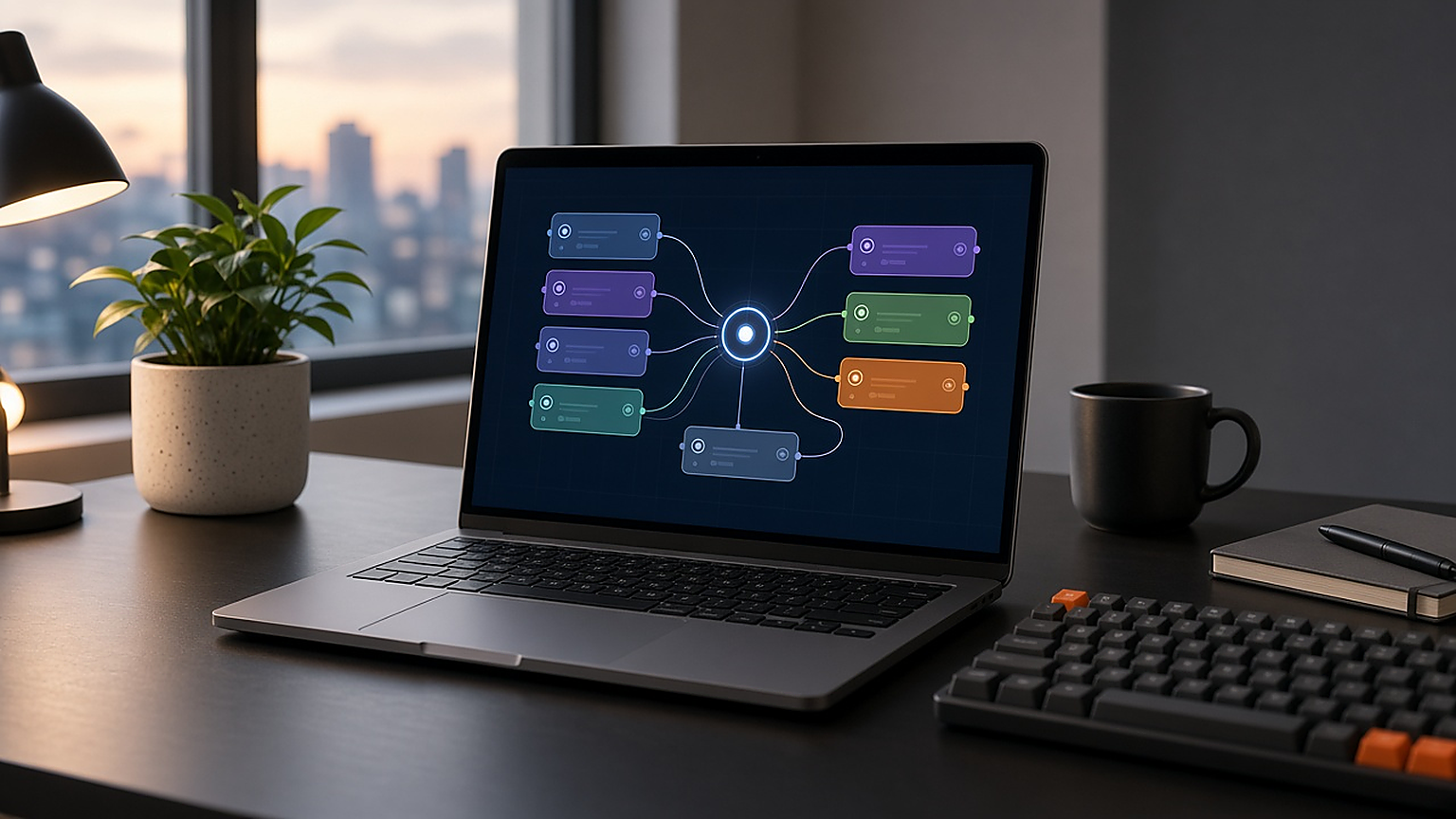
The repository at github.com/deepseek-ai/deepseek-harness is being discussed less as a single chatbot and more as a modular host where capabilities arrive as plugins. That framing explains the satellite ecosystem already forming around it: curated plugin lists such as awesome-dsh-plugin (tens of thousands of stars) and multiple desktop shells that wrap the harness for users who want a five-megabyte installer instead of a from-source setup.
Why a plugin runtime is trending now
Agent builders have spent 2025 and 2026 bouncing between monolithic assistants and thin wrappers around model APIs. A harness that treats tools, memory, browsers, and domain packs as plugins promises composition without forking the core each time a lab ships a new model. Developers comparing notes with other trending agent stacks—such as ECC’s agent harness, Prime Agent’s RLM harness, and skill packs like Superpowers—see DeepSeek Harness as a bet that the durable layer is the runtime and plugin contract, not any one model checkpoint.
The star count itself is the news hook. Crossing roughly 224,000 stars puts deepseek-harness in rarefied GitHub company and signals that curiosity is not limited to DeepSeek’s model releases. Even teams that will never run DeepSeek weights in production are starring the repo to track plugin patterns, desktop distributions, and how a major lab packages agent plumbing for outsiders.
That attention also connects to personal-knowledge and skill ecosystems. Morning coverage of Obsidian Skills as an agent toolkit for note vaults showed how Agent Skills specifications are spreading; DeepSeek Harness rides a parallel wave where “skills” and “plugins” become the unit of reuse. The competitive question is whether plugin marketplaces stay open and portable or fragment into lab-specific silos.
Ecosystem signals beyond the star counter
A fast-growing awesome-list for DeepSeek Harness plugins, plus desktop projects such as DSHDesktop and Tauri-based installers, suggests the community is optimizing for distribution and discoverability—not only raw runtime features. When desktop wrappers advertise zero environment setup, the product narrative shifts from research prototype to something closer to a consumer-developer platform.
For enterprises, the diligence list is familiar: license terms, telemetry defaults, plugin signing, sandboxing, and whether the harness can point at non-DeepSeek models. Star velocity does not equal production readiness. Security teams still need to ask how plugins are reviewed, what network egress looks like when browser tools are enabled, and how secrets are stored when agents chain tools autonomously.
Geopolitically, DeepSeek’s tooling popularity continues a pattern where Chinese labs influence open-source agent norms even in markets that debate model import restrictions. Western developers starring and forking the harness create de facto standards pressure: if plugins are easy on DeepSeek’s runtime first, other platforms must match the developer experience or lose mindshare.
What this means for agent builders this week
Treat the surge as infrastructure news, not a how-to guide. If you maintain an internal agent platform, compare your extension model to a plugin host with a clear contract. If you publish tools, watch whether DeepSeek Harness plugin conventions become a distribution channel you must support alongside Claude, Codex, and open Agent Skills directories. If you cover AI markets, separate model quality debates from runtime adoption—224k stars say more about packaging and extensibility appetite than about any single benchmark chart.
Community discussion around DeepSeek Harness also highlights a packaging race. Desktop wrappers promising tiny installers and preset environments are chasing users who bounced off CLI-only agent frameworks. That consumerization of agent runtimes could widen the audience beyond professional developers—similar to how note-taking skills packs broadened who experiments with agents—while increasing the chance that lightly reviewed plugins reach less technical operators.
Reporters and analysts should keep the genre straight: this is GitHub-trending infrastructure news, not a tutorial. The measurable claim on September 15 is popularity and positioning—about 224,608 stars, a plugin-first slogan, and a visible satellite ecosystem—not a verified claim that DeepSeek Harness outperforms every rival harness on safety, latency, or enterprise controls. Quote the star count with a timestamp, link the primary repository, and separate hype from due diligence when the runtime shows up in procurement chats this month.
As of September 15, 2026, the checkable facts are the public GitHub repository identity under deepseek-ai, the live star count near 224,608, the “Everything is a Plugin” positioning, and the visible secondary ecosystem of plugin lists and desktop clients. Numbers move daily; cite the API snapshot date when you quote stars. Everything else—production fitness, enterprise support, and long-term governance of the plugin surface—remains an open evaluation problem for teams that want the velocity without inheriting unmanaged risk.