Adobe Adds Hands-On Editing Controls Inside ChatGPT
Adobe on 29 September 2026 said it is adding interactive editing controls to its ChatGPT plugin for hands-on refinement of images, designs, and PDFs.
PromptCrates Editorial
Staff Writer

Adobe on 29 September 2026, alongside OpenAI’s DevDay announcements, said it is rolling out interactive editing controls for the Adobe plugin inside ChatGPT so users can move between conversational requests and hands-on refinement of images, designs, and PDFs. The Adobe blog post describes side-panel editors powered by Photoshop and Adobe Express for visual work, plus Acrobat tools for in-document PDF edits, with changes staying in sync as context for the ongoing chat. Vibhor Chhabra, product lead for ChatGPT Ecosystem at OpenAI, said OpenAI wants ChatGPT to help people go “from an idea to work they’re ready to use or share, with control over the details along the way.”
What actually ships in the ChatGPT side panel
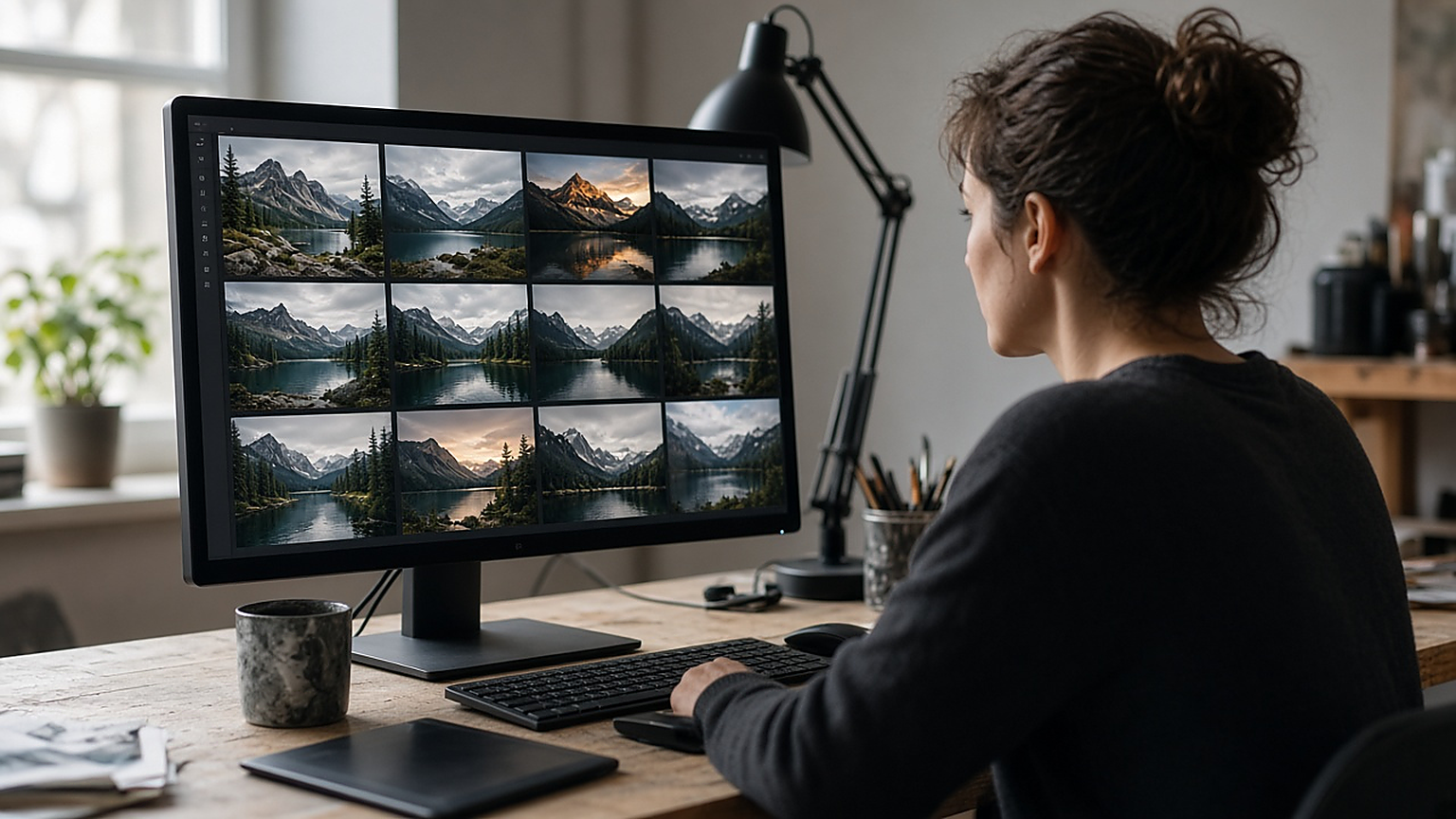
For images and designs, users can select part of an image or brush an area, ask ChatGPT to apply an Adobe-powered change, then fine-tune with dynamic controls such as hue, saturation, and contrast that appear based on the edit type. Adobe’s latte-and-napkin example walks through removing a stray object, then brightening the cup without re-uploading or re-explaining the brief. That loop is the product thesis: prompting is fast for intent, sliders are better for pixel-level taste, and neither should force a hop into a separate desktop app mid-task. The company says chat and editor remain linked so manual adjustments flow back into the conversation context.
PDF workflows get a parallel treatment. Users can open a document in the side panel, revise text, highlight passages, and send selected regions back to ChatGPT to drive follow-up questions—for example, highlighting payment terms in a freelance contract and asking the plugin to mark related invoicing clauses. Adobe describes this as bringing Acrobat tools into a ChatGPT side panel. The updates begin rolling out globally on ChatGPT web and app the day of the announcement, extending Adobe’s recent push to unify creative and document tools across ChatGPT, Claude, and Slack.
Why chatbot platforms want hands-on controls
Pure prompt-to-image loops frustrate professionals when the tenth regeneration still misses a brand color or crops a logo edge. Interactive controls borrow desktop metaphors that designers already trust, while keeping the session inside ChatGPT where briefs, references, and teammate comments already live. That strategy also defends Adobe’s relevance as model providers ship native image tools: if Firefly-class models and Photoshop-grade controls are one plugin call away, switching costs rise. PromptCrates has tracked adjacent creative-platform moves such as Runway Ads for performance marketing and Runway’s MCP media hooks in Claude agents, which similarly try to put generation inside the workflow surface marketers already open.
For OpenAI, hosting Adobe’s editor is a platform play. DevDay audiences care about ecosystem depth as much as model benchmarks. A side panel that can edit pixels and PDFs makes ChatGPT feel closer to a workbench than a chat transcript. The risk is complexity: too many floating controls can confuse casual users, and enterprise admins will ask where files are processed, whether Adobe account entitlements are required, and how audit logs capture both prompts and slider changes. Adobe’s post emphasizes professional trust and precision; buyers should still verify data-handling terms before dropping client PDFs into a chatbot plugin.
Practical takeaways for creative and ops teams
Social and lifecycle marketers can pilot the image editor on assets that need small fixes—background cleanup, color pops, object removal—without round-tripping every tweak through a design queue. Proposal and legal-ops teams can test PDF highlighting as a research aid, with a human still owning final redlines. Design leads should set norms for when ChatGPT-plus-Adobe is acceptable versus when files must open in full Photoshop or Acrobat for layered fidelity, fonts, and brand kits. Training should cover selection tools and slider discipline so teams do not treat every generative suggestion as final art.
Competitors in creative AI will feel pressure to match the hybrid pattern: conversation for intent, direct manipulation for finish. Suites that only offer text prompts, or only offer desktop apps, will look incomplete for the job Chhabra described, taking people “from an idea to work they’re ready to use or share.” Adobe still has to prove that plugin latency, selection accuracy, and PDF fidelity hold up outside demo videos. If they do, ChatGPT becomes a more serious drafting surface for mixed media work, and Adobe extends its reach into the chatbot sessions where more first drafts now begin.
Teams that already standardized on Firefly prompts inside brand portals should map which tasks truly need the new sliders. Object removal and local color tweaks are strong candidates; full layout systems, variable fonts, and print packaging still belong in desktop apps. A simple RACI helps: marketers draft in ChatGPT, designers approve in Photoshop when brand risk is high, and legal reviews PDFs in Acrobat when clauses change. Documenting that path prevents “the chatbot already shipped the asset” surprises. It also creates measurable pilot metrics—time-to-first-usable-creative, revision rounds, and policy exceptions—so creative ops can decide whether the plugin earns a permanent seat beside native Adobe tools.
Primary reporting for this article: Adobe’s 29 September 2026 DevDay blog post introducing interactive editing controls for the Adobe plugin in ChatGPT. Anchored facts include Photoshop and Adobe Express–powered image/design editors, Acrobat PDF side-panel editing, dynamic hue/saturation/contrast-style controls, chat–editor context sync, global web and app rollout timing, and Chhabra’s quoted product framing.